Nuremberg
Grade: ACCEPTABLE
Summary
This film, focusing on the Nuremberg trials and the psychological evaluation of Nazi war criminals, presents a morally significant historical event. While dealing with grave subject matter, its likely emphasis on justice, accountability, and the consequences of evil aligns with Catholic moral teaching, offering a cautionary tale against grave sin.
Moral Concerns
- Depiction of historical atrocities (indirectly, through discussion of war crimes)
- Potential for intense psychological tension
- Brief instances of profanity (typical for PG-13)
Positive Elements
- Exploration of justice and accountability for grave sins (war crimes, genocide)
- Cautionary tale against evil and totalitarian ideologies
- Emphasis on the importance of truth and due process
- Highlighting the intellectual and ethical battle against those who committed atrocities
- Potential for themes of human dignity and the sanctity of life (by opposing those who violated it)
Detailed Analysis
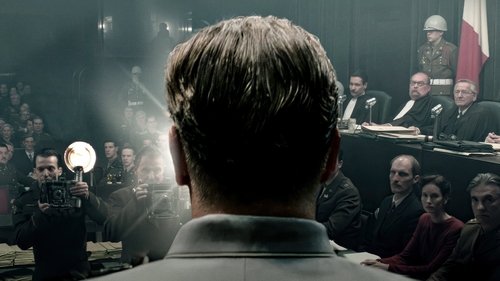
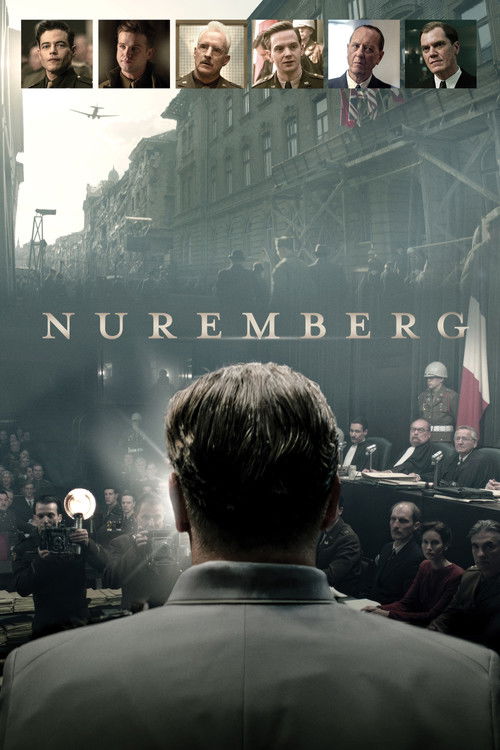
The movie 'Nuremberg' is rated PG-13 and centers on the historical Nuremberg trials, specifically the psychological evaluation of Hermann Göring. This subject matter, by its very nature, involves confronting immense evil and the consequences of grave sins against humanity, such as murder, injustice, and the violation of human dignity on a massive scale. The film's focus on the 'battle of intellect and ethics' between the psychiatrist and Göring suggests an exploration of accountability and the moral imperative to bring perpetrators of such crimes to justice. This aligns strongly with Catholic moral teaching, which condemns such atrocities as mortal sins and upholds the necessity of justice. While the film will undoubtedly touch upon the horrors committed, it is presented as a 'cautionary tale' and a means to 'recognize, embrace and take seriously our shared humanity,' which are profoundly positive moral messages. The PG-13 rating indicates that while the themes are serious, explicit graphic violence or sexual content is unlikely to be gratuitous or glorified. Any depiction of the crimes would serve to illustrate their gravity, not to promote them. Therefore, the film is likely to uphold, rather than undermine, moral values by demonstrating the devastating consequences of grave sin and the pursuit of justice. It serves as a powerful reminder of the importance of upholding the Fifth Commandment ('Thou shalt not kill') and the broader principles of human dignity and justice.
This review is based on traditional Catholic moral teaching as found in the Baltimore Catechism and the Ten Commandments. It is intended to help Catholic families make informed viewing decisions.
- •Depiction of historical atrocities (indirectly, through discussion of war crimes)
- •Potential for intense psychological tension
- •Brief instances of profanity (typical for PG-13)
- •Exploration of justice and accountability for grave sins (war crimes, genocide)
- •Cautionary tale against evil and totalitarian ideologies
- •Emphasis on the importance of truth and due process
- •Highlighting the intellectual and ethical battle against those who committed atrocities
- •Potential for themes of human dignity and the sanctity of life (by opposing those who violated it)