Avatar: Fire and Ash
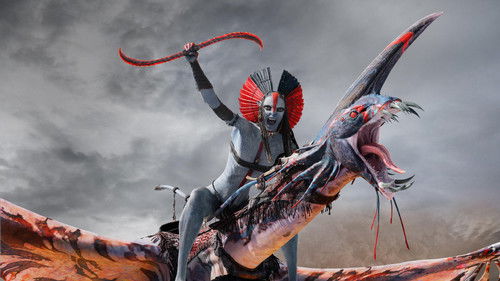
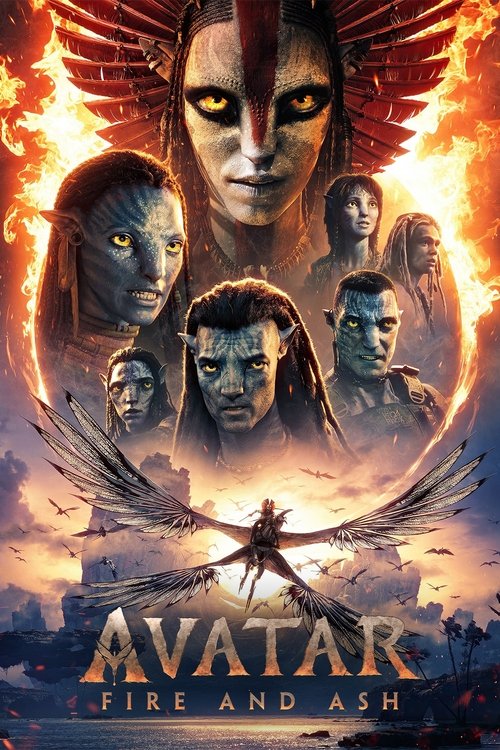
In the wake of the devastating war against the RDA and the loss of their eldest son, Jake Sully and Neytiri face a new threat on Pandora: the Ash People, a violent and power-hungry Na'vi tribe led by the ruthless Varang. Jake's family must fight for their survival and the future of Pandora in a conflict that pushes them to their emotional and physical limits.
Avatar: Fire and Ash
Grade: NOT RECOMMENDED
Summary
While visually stunning and potentially highlighting themes of family defense and environmental stewardship, "Avatar: Fire and Ash" is likely problematic due to its depiction of violence, potential for promoting a naturalistic worldview over a Christian one, and the recurring theme of humanity as inherently evil. These elements can create occasions of sin and present a skewed moral perspective.
Moral Concerns
- Moderate to graphic violence, including warfare and loss of life, potentially glorified or presented without sufficient moral gravity.
- Potential for a naturalistic or pantheistic worldview to be promoted, undermining the Christian understanding of God as Creator and humanity's unique dignity.
- The portrayal of humanity as an 'evil, conquering race' can lead to scandal by fostering misanthropy or rejecting the inherent goodness of human nature, which is created in God's image.
- Themes of revenge or tribal conflict, which may not align with Christian teachings on forgiveness and charity.
- The 'feminine' power theme, while not inherently negative, could subtly promote ideologies that undermine traditional gender roles or family structures as understood by Catholic teaching, depending on its execution.
- The PG-13 rating often allows for suggestive themes or language that could be an occasion of sin for younger or more sensitive viewers, though specific details are not provided here.
Positive Elements
- Themes of family loyalty and protection, as Jake's family fights for survival.
- Defense of one's home and people against aggression, which can be a just cause.
- Potential for themes of environmental stewardship and respect for creation, if presented in a way that aligns with Catholic social teaching.
- The bravery and sacrifice of characters in defending their loved ones and way of life.
Detailed Analysis
Based on the provided information, 'Avatar: Fire and Ash' receives a 'NOT RECOMMENDED' grade. The PG-13 rating, combined with the plot's focus on a 'devastating war' and a 'violent and power-hungry' tribe, strongly suggests significant moderate to graphic violence. While defending one's family is commendable, the glorification of conflict and the potential for morally ambiguous actions within warfare can be problematic. User reviews highlight concerns about the narrative portraying humanity as 'evil,' which can be scandalous as it contradicts the Catholic understanding of human dignity and the inherent goodness of creation, despite humanity's fallen nature. This can lead to a misanthropic worldview or an undermining of faith in humanity's potential for good. Furthermore, the 'Avatar' franchise has historically presented a naturalistic worldview that can lean towards pantheism, which is contrary to Catholic doctrine. While the film may contain positive elements such as family loyalty and environmental themes, these are overshadowed by the likely presence of significant violence, the potentially anti-human message, and the risk of promoting a worldview inconsistent with Catholic teaching. The 'feminine' power theme, while not explicitly problematic, could also be a concern if it subtly promotes ideologies that undermine traditional Catholic understandings of gender and family. Therefore, it presents multiple non-trivial moral problems that make it problematic for Catholic families, potentially creating occasions of sin or scandal.
This review is based on traditional Catholic moral teaching as found in the Baltimore Catechism and the Ten Commandments. It is intended to help Catholic families make informed viewing decisions.
- •Moderate to graphic violence, including warfare and loss of life, potentially glorified or presented without sufficient moral gravity.
- •Potential for a naturalistic or pantheistic worldview to be promoted, undermining the Christian understanding of God as Creator and humanity's unique dignity.
- •The portrayal of humanity as an 'evil, conquering race' can lead to scandal by fostering misanthropy or rejecting the inherent goodness of human nature, which is created in God's image.
- •Themes of revenge or tribal conflict, which may not align with Christian teachings on forgiveness and charity.
- •The 'feminine' power theme, while not inherently negative, could subtly promote ideologies that undermine traditional gender roles or family structures as understood by Catholic teaching, depending on its execution.
- •The PG-13 rating often allows for suggestive themes or language that could be an occasion of sin for younger or more sensitive viewers, though specific details are not provided here.
- •Themes of family loyalty and protection, as Jake's family fights for survival.
- •Defense of one's home and people against aggression, which can be a just cause.
- •Potential for themes of environmental stewardship and respect for creation, if presented in a way that aligns with Catholic social teaching.
- •The bravery and sacrifice of characters in defending their loved ones and way of life.