Ne Zha 2
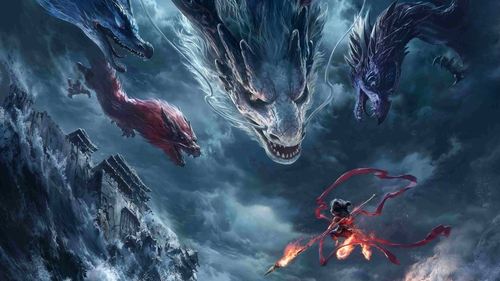
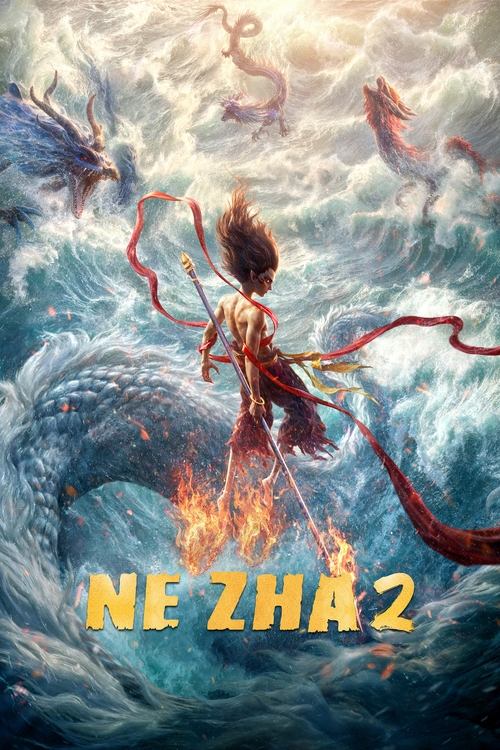
After a catastrophic event leaves their bodies destroyed, Ne Zha and Ao Bing are granted a fragile second chance at life. As tensions rise between the dragon clans and celestial forces, the two must undergo a series of perilous trials that will test their bond, challenge their identities, and decide the fate of both mortals and immortals.
Ne Zha 2
Grade: NOT RECOMMENDED
Summary
While the film appears to be a fantasy adventure with themes of destiny and overcoming challenges, its depiction of 'celestial forces' and 'immortals' within a non-Christian mythological framework, coupled with potential for intense action violence, makes it problematic for Catholic families seeking to avoid occasions of sin or confusion regarding true faith. The supernatural elements are presented as real and powerful, which can be a source of scandal for the unformed.
Moral Concerns
- Depiction of pagan mythology and 'celestial forces' as real and powerful, potentially undermining the First Commandment (Thou shalt not have strange gods before Me) by presenting false gods/deities as active agents in the world.
- Potential for intense action violence, given the 'lava-borne devils' and 'intense battle sequences' mentioned, which could be graphic or glorify conflict.
- Themes of reincarnation ('sacred lotus' granting a 'second chance at life') contradict Catholic teaching on the singular nature of human life and the soul's eternal destiny.
- Lack of clear moral compass in the 'immortals' who 'take a hand in things', which could imply a relativistic view of justice or divine intervention.
- The 'NR' rating means there's no official guidance on content, making it a higher risk for unexpected problematic material.
Positive Elements
- Themes of friendship and loyalty (testing their bond).
- Overcoming challenges and trials.
- Protecting the innocent ('save the population of the Chentang Pass').
Detailed Analysis
The primary concern with 'Ne Zha 2' from a Catholic perspective is its foundation in non-Christian mythology, specifically Chinese mythology, which involves multiple 'celestial forces' and 'immortals' acting as deities or powerful beings. While fantasy is not inherently sinful, presenting these entities as real and influential in the world, capable of granting life or orchestrating events, can be an occasion of sin against the First Commandment for impressionable viewers, especially children, by implicitly normalizing polytheistic beliefs or diminishing the singularity of the One True God. The mention of 'reincarnation' through the 'sacred lotus' directly contradicts Catholic doctrine on the soul's unique journey and eternal judgment. Furthermore, the genre of 'Action' and descriptions of 'intense battle sequences' and 'lava-borne devils' suggest a likelihood of significant violence, which, without an MPAA rating, could be graphic or glorified, leading to further concerns. While themes of friendship, loyalty, and protecting the innocent are positive, they are overshadowed by the pervasive mythological framework and potential for violence and false theological concepts. Therefore, it is not recommended for Catholic families as it presents significant moral and theological concerns that could lead to scandal or confusion.
This review is based on traditional Catholic moral teaching as found in the Baltimore Catechism and the Ten Commandments. It is intended to help Catholic families make informed viewing decisions.
- •Depiction of pagan mythology and 'celestial forces' as real and powerful, potentially undermining the First Commandment (Thou shalt not have strange gods before Me) by presenting false gods/deities as active agents in the world.
- •Potential for intense action violence, given the 'lava-borne devils' and 'intense battle sequences' mentioned, which could be graphic or glorify conflict.
- •Themes of reincarnation ('sacred lotus' granting a 'second chance at life') contradict Catholic teaching on the singular nature of human life and the soul's eternal destiny.
- •Lack of clear moral compass in the 'immortals' who 'take a hand in things', which could imply a relativistic view of justice or divine intervention.
- •The 'NR' rating means there's no official guidance on content, making it a higher risk for unexpected problematic material.
- •Themes of friendship and loyalty (testing their bond).
- •Overcoming challenges and trials.
- •Protecting the innocent ('save the population of the Chentang Pass').