
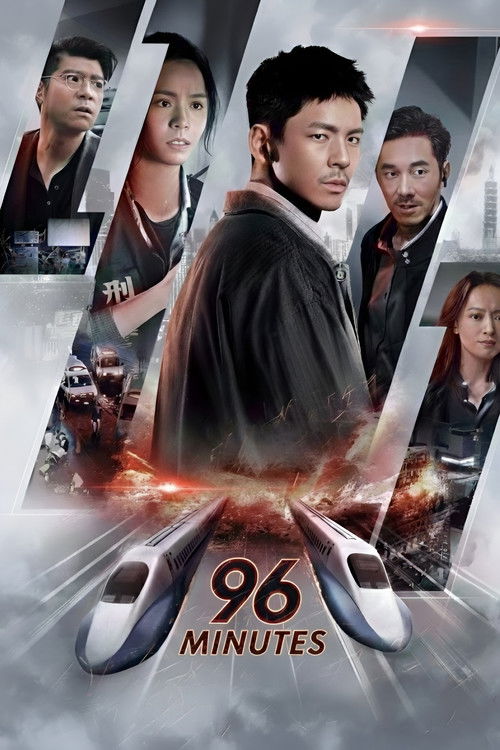
96 Minutes
Former bomb disposal expert, Song Kang-Ren, and his fiancée, Huang Xin, board a high-speed train that contains a bomb. At the same time, Liu Kai, a well-known physics teacher who was involved in an affair scandal, also boards this same train in order to win back his wife, Ting Juan, who took the prior high-speed rail to return home in frustration… After all, can the bomb be successfully defused this time? and resolve the crisis?
96 Minutes
Grade: NOT RECOMMENDED
Summary
This film presents a morally complex narrative involving marital infidelity as a central plot point, which, despite potential themes of reconciliation, constitutes a grave matter. While it may explore themes of sacrifice and heroism, the normalization of adultery as a catalyst for the plot makes it problematic for Catholic families.
Moral Concerns
- Grave matter: Marital infidelity (adultery) is a central plot element, which is a serious violation of the Sixth and Ninth Commandments.
- Potential for scandal: Presenting adultery as a catalyst for a dramatic plot, even if leading to reconciliation, could normalize or trivialize the gravity of the sin.
- Occasion of sin: The focus on an affair, even in a redemptive context, can be an occasion of sin by dwelling on sinful acts.
- Action/Crime genre suggests potential for violence, which, while not explicitly detailed, is a common element of the genre and could range from moderate to graphic.
Positive Elements
- Potential for themes of self-sacrifice and heroism from the bomb disposal expert.
- Potential for themes of reconciliation and forgiveness if Liu Kai genuinely seeks to win back his wife through repentance and changed behavior.
- Emphasis on the sanctity of life through the efforts to defuse the bomb and resolve the crisis.
Detailed Analysis
The primary moral concern for '96 Minutes' stems from the central plot point involving Liu Kai, a physics teacher 'involved in an affair scandal,' attempting to 'win back his wife.' Adultery is a grave matter, a direct violation of the Sixth Commandment ('Thou shalt not commit adultery') and the Ninth Commandment ('Thou shalt not covet thy neighbor's wife'). While the film's narrative might ultimately lead to themes of repentance, reconciliation, or forgiveness, the fact that a grave sin like adultery is a primary catalyst for the character's journey and a significant part of the plot makes the movie problematic. The overview does not specify how the affair is portrayed, but its mere presence as a central element, especially without clear condemnation or a focus on genuine repentance, risks normalizing or trivializing this serious sin. This could create an occasion of sin or scandal, particularly for younger or impressionable viewers, by presenting a grave moral transgression as a dramatic device rather than a deeply harmful act. The 'Action, Crime' genres also suggest potential for violence, which, depending on its depiction, could add further concerns. Given the centrality of a grave moral transgression, even with potential positive outcomes, the film falls into the 'NOT RECOMMENDED' category as it contains a non-trivial moral problem that is central to its narrative.
This review is based on traditional Catholic moral teaching as found in the Baltimore Catechism and the Ten Commandments. It is intended to help Catholic families make informed viewing decisions.
- •Grave matter: Marital infidelity (adultery) is a central plot element, which is a serious violation of the Sixth and Ninth Commandments.
- •Potential for scandal: Presenting adultery as a catalyst for a dramatic plot, even if leading to reconciliation, could normalize or trivialize the gravity of the sin.
- •Occasion of sin: The focus on an affair, even in a redemptive context, can be an occasion of sin by dwelling on sinful acts.
- •Action/Crime genre suggests potential for violence, which, while not explicitly detailed, is a common element of the genre and could range from moderate to graphic.
- •Potential for themes of self-sacrifice and heroism from the bomb disposal expert.
- •Potential for themes of reconciliation and forgiveness if Liu Kai genuinely seeks to win back his wife through repentance and changed behavior.
- •Emphasis on the sanctity of life through the efforts to defuse the bomb and resolve the crisis.