
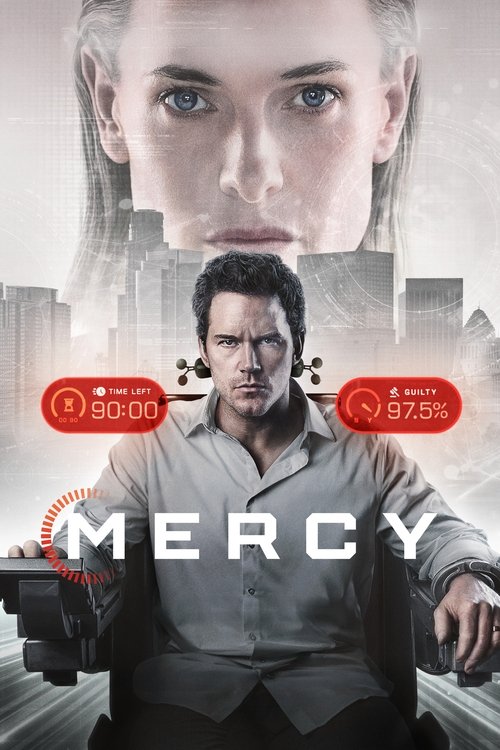
Mercy
Grade: NOT RECOMMENDED
Summary
While the core premise of seeking truth and justice is laudable, the PG-13 rating for an action-thriller suggests potential for moderate violence and language. The narrative's focus on an AI-driven justice system also raises concerns about the potential for undermining human dignity and the sanctity of life, which are foundational Catholic principles.
Moral Concerns
- Potential for moderate violence, given the 'action' and 'thriller' genres and PG-13 rating, which could include graphic depictions of harm or death, even if not explicit gore.
- Potential for profanity or strong language, common in PG-13 action films, which can be an occasion of sin and undermine reverence for God's name.
- The concept of an 'AI Judge' and 'automated Mercy justice system' could subtly promote a view of justice devoid of human compassion, mercy, and the inherent dignity of the accused, potentially diminishing the value of human life and the role of conscience.
- The plot revolves around a murder accusation, which, depending on its depiction, could be a proximate occasion of sin if the film glorifies violence or revenge, or if the wife's death is depicted in a way that causes scandal.
- The 'careless execution' and 'narrative contradictions' mentioned in a review suggest a lack of clear moral messaging, which can leave viewers confused about right and wrong.
Positive Elements
- The central theme of a man striving to prove his innocence against a grave accusation (murder) can highlight the importance of truth, justice, and due process.
- The struggle against an impersonal, AI-driven system could implicitly affirm the value of human reason, empathy, and the unique role of human judgment in moral and legal matters.
- The pursuit of justice, even when flawed, aligns with Catholic teaching on upholding the moral order and protecting the innocent.
Detailed Analysis
The movie 'Mercy' is assigned a 'NOT RECOMMENDED' grade primarily due to the potential for moderate moral problems inherent in its genre and rating, combined with the concerning philosophical implications of its premise. As an 'Action, Thriller' with a PG-13 rating, it is highly probable to contain moderate violence, including depictions of fighting, injury, and potentially the aftermath of the alleged murder, which can be an occasion of sin if it desensitizes viewers to the gravity of violence or human suffering. Furthermore, PG-13 films often include regular profanity, which violates the Second Commandment by taking God's name in vain or using coarse language. The core concept of an 'AI Judge' and an 'automated Mercy justice system' raises significant moral questions. While the film may explore the flaws of such a system, the mere normalization of AI determining human fate, especially in matters of life and death (murder accusations), could subtly undermine the Catholic understanding of human dignity, free will, and the necessity of human judgment and mercy in justice. This could be seen as a form of scandal if it presents an impersonal, algorithmic approach to justice as an acceptable or even desirable alternative to human-centered justice. The review mentioning 'careless execution' and 'narrative contradictions' further suggests that any potential positive moral messages might be muddled or poorly conveyed, making it difficult for viewers, especially younger ones, to discern clear moral truths. While the pursuit of truth and justice are positive themes, the potential for problematic content and the unsettling implications of the AI justice system make this film problematic for Catholic families seeking morally uplifting or neutral entertainment.
This review is based on traditional Catholic moral teaching as found in the Baltimore Catechism and the Ten Commandments. It is intended to help Catholic families make informed viewing decisions.
- •Potential for moderate violence, given the 'action' and 'thriller' genres and PG-13 rating, which could include graphic depictions of harm or death, even if not explicit gore.
- •Potential for profanity or strong language, common in PG-13 action films, which can be an occasion of sin and undermine reverence for God's name.
- •The concept of an 'AI Judge' and 'automated Mercy justice system' could subtly promote a view of justice devoid of human compassion, mercy, and the inherent dignity of the accused, potentially diminishing the value of human life and the role of conscience.
- •The plot revolves around a murder accusation, which, depending on its depiction, could be a proximate occasion of sin if the film glorifies violence or revenge, or if the wife's death is depicted in a way that causes scandal.
- •The 'careless execution' and 'narrative contradictions' mentioned in a review suggest a lack of clear moral messaging, which can leave viewers confused about right and wrong.
- •The central theme of a man striving to prove his innocence against a grave accusation (murder) can highlight the importance of truth, justice, and due process.
- •The struggle against an impersonal, AI-driven system could implicitly affirm the value of human reason, empathy, and the unique role of human judgment in moral and legal matters.
- •The pursuit of justice, even when flawed, aligns with Catholic teaching on upholding the moral order and protecting the innocent.