Omniscient Reader: The Prophecy
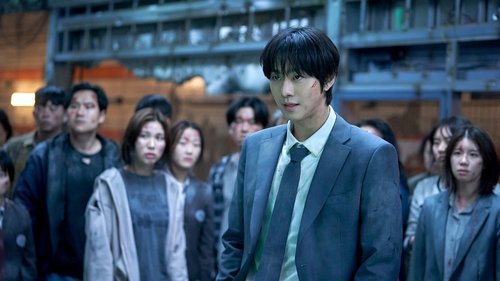
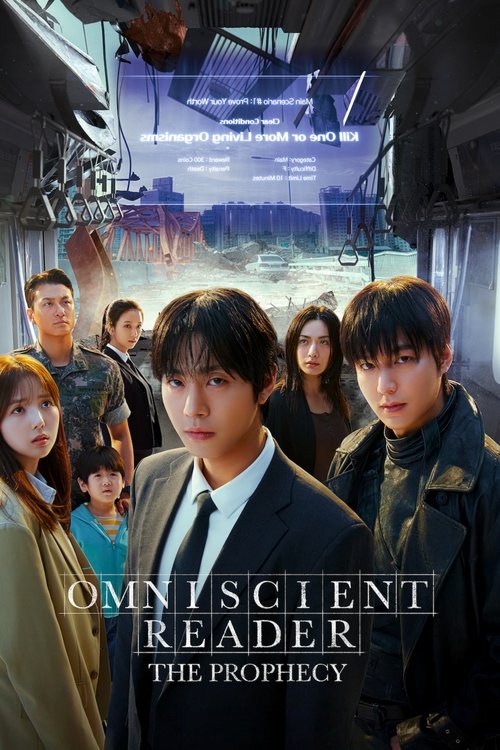
Kim Dok-ja, an ordinary man in his 20s, is the only reader of an obscure web novel titled "Three Ways to Survive the Apocalypse". After having read the last chapter, the novel suddenly becomes reality, and its omnipotent hero Yu Jung-hyeok appears before Kim. As the only person who knows how to survive in this world, Kim and his companions strive to save the world by writing his own, new ending.
Omniscient Reader: The Prophecy
Grade: NOT RECOMMENDED
Summary
This film presents significant moral concerns due to its premise of a 'game-like' apocalypse where survival involves completing levels and earning rewards, which can easily normalize violence and a utilitarian view of human life. The potential for graphic violence and the 'sacrificing people for entertainment' theme, even if metaphorical, makes it problematic for Catholic families.
Moral Concerns
- Potential for glorification of violence and death as part of a 'game'
- Normalization of a 'survival of the fittest' mentality, potentially undermining the sanctity of life
- Themes of 'sacrificing people for entertainment' which can cause scandal and desensitize viewers to human suffering
- Lack of explicit moral framework for the protagonists' actions beyond survival
- Potential for occult or anti-Christian themes inherent in 'prophecy' and 'omniscient reader' concepts, depending on execution
Positive Elements
- Themes of cooperation and companionship in the face of adversity (Kim and Yu striving to save the world)
- The protagonist's knowledge being used to help others survive
- The idea of writing a 'new ending' could suggest agency and hope for change
Detailed Analysis
The movie's premise, where a web novel becomes reality and survival is framed as a 'computer game' with 'levels' and 'rewards,' raises serious moral flags. The review explicitly mentions 'people are sacrificed for entertainment,' which is a grave concern. While the specific nature of this 'sacrifice' is not detailed, the mere suggestion of it, coupled with the 'game' metaphor for a life-or-death situation, risks desensitizing viewers to the sanctity of human life and the gravity of violence. This could easily lead to scandal, especially for younger audiences, by presenting grave matters (death, violence) as trivial or entertaining. The film's 'Action, Adventure, Fantasy' genres, combined with the 'NR' rating, suggest that graphic content is a strong possibility. While there are elements of cooperation and striving to 'save the world,' the underlying mechanism of survival, which appears to involve a system of rewards and potentially sacrificing others, could undermine fundamental Catholic teachings on the value of every human life and the immorality of murder. Without more information to clarify the nature of the 'sacrifices' or the moral choices made within the 'game,' the potential for glorifying grave matter and creating occasions of sin is too high to recommend. Therefore, it is 'NOT RECOMMENDED' due to these significant moral problems.
This review is based on traditional Catholic moral teaching as found in the Baltimore Catechism and the Ten Commandments. It is intended to help Catholic families make informed viewing decisions.
- •Potential for glorification of violence and death as part of a 'game'
- •Normalization of a 'survival of the fittest' mentality, potentially undermining the sanctity of life
- •Themes of 'sacrificing people for entertainment' which can cause scandal and desensitize viewers to human suffering
- •Lack of explicit moral framework for the protagonists' actions beyond survival
- •Potential for occult or anti-Christian themes inherent in 'prophecy' and 'omniscient reader' concepts, depending on execution
- •Themes of cooperation and companionship in the face of adversity (Kim and Yu striving to save the world)
- •The protagonist's knowledge being used to help others survive
- •The idea of writing a 'new ending' could suggest agency and hope for change