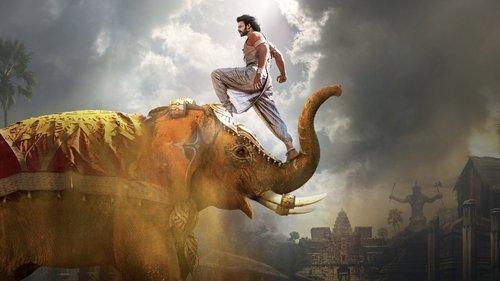

Bāhubali: The Epic
When a mysterious child is found by a tribal couple near a roaring waterfall, they raise him as their own. As he grows, Sivudu is drawn to the world beyond the cliffs, where he discovers the ancient kingdom of Mahishmati, ruled by a cruel tyrant, haunted by rebellion, and bound to his past. What begins as a quest for love soon unravels a legacy of betrayal, sacrifice, and a forgotten prince.
Bāhubali: The Epic
Grade: NOT RECOMMENDED
Summary
While "Bāhubali: The Epic" presents themes of justice, sacrifice, and loyalty, its significant portrayal of intense violence, revenge, and potentially pagan religious elements make it problematic for Catholic families. The glorification of combat and the pursuit of vengeance, even for noble causes, raise moral concerns.
Moral Concerns
- Intense and prolonged violence, including combat, warfare, and executions, which may be graphic and desensitize viewers to the sanctity of life.
- Themes of revenge and retribution, which, while presented as justified within the narrative, can be contrary to Christian teachings on forgiveness and mercy.
- Potential for pagan or polytheistic religious elements, given the setting in an 'ancient kingdom' and the epic nature, which could present occasions of sin against the First Commandment by normalizing false worship.
- Glorification of physical prowess and warfare as primary means of resolving conflict.
- Potential for scandal by presenting violence and vengeance as heroic and desirable, especially for younger or impressionable viewers.
Positive Elements
- Themes of loyalty and devotion to family and kingdom.
- The pursuit of justice against tyranny and oppression.
- Sacrifice for the greater good and protection of the innocent.
- The importance of upholding one's duty and legacy.
- The love and care shown by the adoptive parents for the mysterious child.
Detailed Analysis
The movie's 'Action, Drama' genre and plot description, which includes a 'cruel tyrant,' 'rebellion,' and a 'legacy of betrayal,' strongly suggest a narrative heavily reliant on conflict and violence. While the fight against tyranny and the protection of the innocent are laudable goals, the means often depicted in such epic action films can be morally problematic. The 'intense violence' often associated with such large-scale productions, especially in the absence of an MPAA rating (which implies it could contain content that would warrant a higher rating), is a significant concern. The glorification of combat and the pursuit of vengeance, even against a 'cruel tyrant,' can run contrary to Catholic teachings on peace, forgiveness, and the sanctity of life (Fifth Commandment). While the film may present positive themes like loyalty, justice, and sacrifice, these are often intertwined with and overshadowed by extensive depictions of violence and retribution. The potential for pagan religious elements, common in ancient epic settings, could also pose an occasion of sin against the First Commandment by normalizing worship of false gods. Therefore, due to the likely pervasive and intense violence, the themes of revenge, and potential pagan elements, this film is deemed 'NOT RECOMMENDED' for Catholic families, as it presents too many non-trivial moral problems that could lead to scandal or occasions of sin.
This review is based on traditional Catholic moral teaching as found in the Baltimore Catechism and the Ten Commandments. It is intended to help Catholic families make informed viewing decisions.
- •Intense and prolonged violence, including combat, warfare, and executions, which may be graphic and desensitize viewers to the sanctity of life.
- •Themes of revenge and retribution, which, while presented as justified within the narrative, can be contrary to Christian teachings on forgiveness and mercy.
- •Potential for pagan or polytheistic religious elements, given the setting in an 'ancient kingdom' and the epic nature, which could present occasions of sin against the First Commandment by normalizing false worship.
- •Glorification of physical prowess and warfare as primary means of resolving conflict.
- •Potential for scandal by presenting violence and vengeance as heroic and desirable, especially for younger or impressionable viewers.
- •Themes of loyalty and devotion to family and kingdom.
- •The pursuit of justice against tyranny and oppression.
- •Sacrifice for the greater good and protection of the innocent.
- •The importance of upholding one's duty and legacy.
- •The love and care shown by the adoptive parents for the mysterious child.