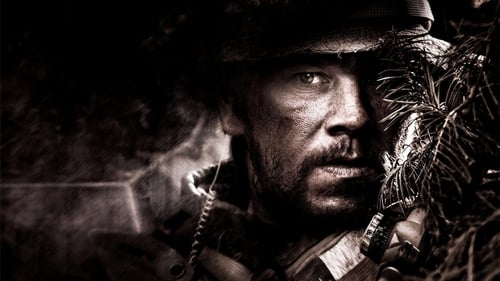

Lone Survivor
Four Navy SEALs on a covert mission to neutralize a high-level Taliban operative must make an impossible moral decision in the mountains of Afghanistan that leads them into an enemy ambush. As they confront unthinkable odds, the SEALs must find reserves of strength and resilience to fight to the finish.
Lone Survivor
Grade: NOT RECOMMENDED
Summary
While depicting profound sacrifice and courage, "Lone Survivor" presents significant moral concerns due to its graphic violence and pervasive strong language. The film's R-rating is well-justified by content that could be a proximate occasion of sin, particularly through its intense and prolonged depictions of combat.
Moral Concerns
- Graphic and prolonged violence, including depictions of murder and serious injury, which may desensitize viewers or cause scandal by its intensity.
- Frequent and strong profanity, including taking the Lord's name in vain.
- Intense scenes of suffering and death that, while portraying the grim reality of war, can be disturbing and potentially lead to desensitization to human life and dignity.
- The moral dilemma regarding the release of unarmed civilians, though presented as a difficult choice, highlights the tragic circumstances of war where difficult ethical lines are blurred.
Positive Elements
- Themes of self-sacrifice and heroism for comrades, reflecting a profound love for one's neighbor.
- Portrayal of loyalty and brotherhood among soldiers, demonstrating virtues of fidelity and commitment.
- The resilience of the human spirit in the face of extreme adversity.
- The ultimate message of survival and the will to live, which can be seen as an affirmation of life.
Detailed Analysis
The film 'Lone Survivor' is graded as 'NOT RECOMMENDED' primarily due to its R-rating, which indicates content that is generally unsuitable for Catholic families, especially children and adolescents. The genre of war and action, combined with the plot description of an 'enemy ambush' and 'unthinkable odds,' strongly suggests a high level of graphic violence. Such depictions, especially when prolonged and intense, can constitute a grave matter if they lead to desensitization to human suffering, glorify violence, or cause scandal by presenting horrific acts in a way that is not properly contextualized for moral reflection. While the film may laud virtues such as courage, sacrifice, and loyalty—which are indeed positive moral elements—these are presented within a framework of extreme violence and likely pervasive strong language, including potential blasphemy (taking the Lord's name in vain). The intense and realistic portrayal of combat, while aiming for authenticity, risks becoming a proximate occasion of sin for viewers who may be disturbed, desensitized, or led to accept such brutality as normal. The moral dilemma faced by the SEALs, while highlighting the tragic choices inherent in war, does not mitigate the overall impact of the graphic content. Therefore, despite its positive themes of heroism and sacrifice, the significant moral concerns regarding graphic violence and profanity make it problematic for Catholic families.
This review is based on traditional Catholic moral teaching as found in the Baltimore Catechism and the Ten Commandments. It is intended to help Catholic families make informed viewing decisions.
- •Graphic and prolonged violence, including depictions of murder and serious injury, which may desensitize viewers or cause scandal by its intensity.
- •Frequent and strong profanity, including taking the Lord's name in vain.
- •Intense scenes of suffering and death that, while portraying the grim reality of war, can be disturbing and potentially lead to desensitization to human life and dignity.
- •The moral dilemma regarding the release of unarmed civilians, though presented as a difficult choice, highlights the tragic circumstances of war where difficult ethical lines are blurred.
- •Themes of self-sacrifice and heroism for comrades, reflecting a profound love for one's neighbor.
- •Portrayal of loyalty and brotherhood among soldiers, demonstrating virtues of fidelity and commitment.
- •The resilience of the human spirit in the face of extreme adversity.
- •The ultimate message of survival and the will to live, which can be seen as an affirmation of life.